
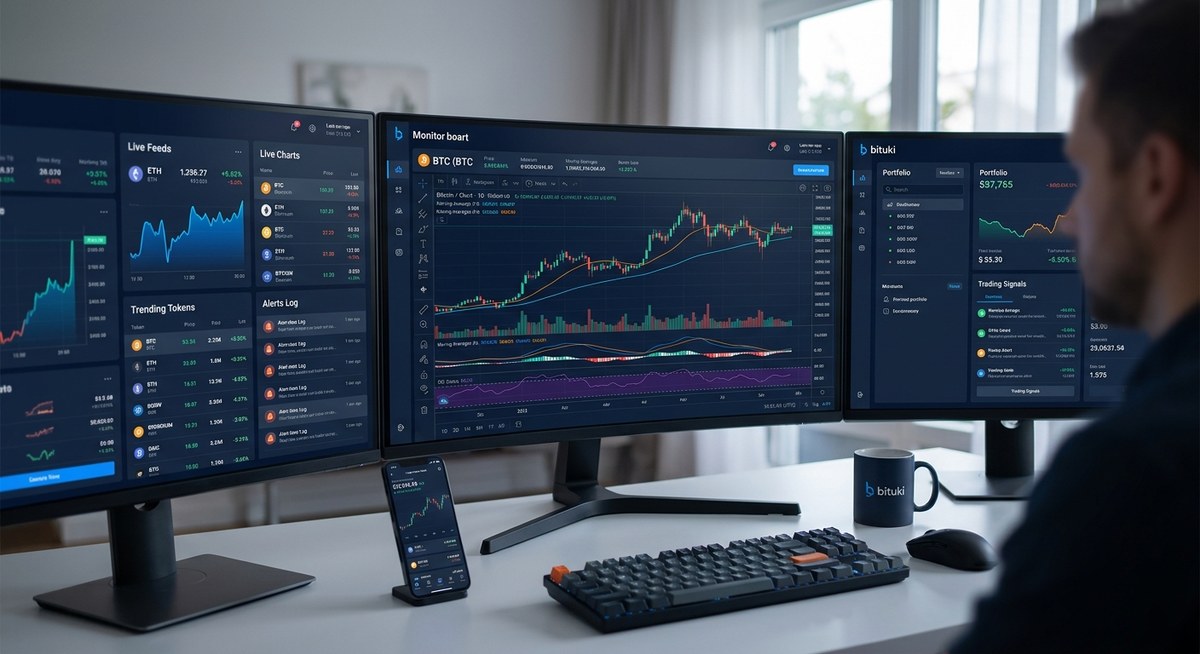
Getting into cryptocurrency trading can feel like trying to catch a moving target. Prices swing wildly, news breaks constantly, and market sentiment shifts in an instant. To navigate this landscape successfully, you need more than just gut feeling or luck. You need solid crypto monitoring strategies that keep you informed and help you act at the right moments. This guide will walk you through effective techniques to track market movements, avoid common mistakes, and sharpen your trading skills.
Mastering crypto monitoring involves setting up reliable alerts, analyzing market indicators, and avoiding emotional reactions. These strategies give you the edge needed for smarter trading decisions in a volatile space.
Why monitoring is crucial in cryptocurrency trading
Crypto markets operate 24 hours a day, seven days a week. Unlike traditional assets, they never close. This constant activity can be both an advantage and a challenge. Without proper monitoring, traders can easily miss critical shifts or react too late. Effective monitoring helps you stay ahead of the curve, spot potential trend reversals, and understand market sentiment. It also enables you to avoid costly mistakes driven by impulsive decisions.
The core components of crypto monitoring strategies
Implementing a successful monitoring setup involves several key elements:
- Real-time price alerts
- Market trend analysis
- Sentiment tracking
- Technical indicator monitoring
- News and event tracking
- Portfolio performance review
By combining these components, traders can create a comprehensive picture of the crypto landscape and adapt their strategies accordingly.
How to implement effective crypto monitoring in 3 steps
- Set up reliable alerts and data sources
- Regularly analyze and interpret market data
- Adjust your trading plan based on insights
Let’s break down each step.
1. Establish your alert system
Start by choosing platforms that offer customizable alerts. Many trading apps like Binance, Coinbase, or dedicated alert services such as CryptoWatch allow you to set notifications for price movements, volume spikes, or technical indicator signals. For example, you might want an alert when Bitcoin crosses a key support level or when altcoins experience unusual trading volume.
2. Use technical and fundamental analysis tools
Monitoring technical indicators like moving averages, RSI (Relative Strength Index), or MACD can reveal underlying momentum and potential trend reversals. Fundamental data such as network activity, developer updates, or macroeconomic news also influence prices. Tracking these factors through platforms like CoinGecko or Santiment helps you understand the broader market context.
3. Stay updated with news and social sentiment
News events, regulatory announcements, or large transactions can cause sharp market moves. Use news aggregators or social media monitoring tools to stay informed. Platforms like Santiment also analyze social sentiment, revealing whether the community is bullish or bearish, which can influence short-term price actions.
Common pitfalls to avoid in crypto monitoring
Monitoring alone isn’t enough. You need to know what mistakes can derail your efforts. Here’s a quick comparison:
| Techniques to use | Mistakes to avoid |
|---|---|
| Relying solely on price alerts | Ignoring underlying market trends |
| Using multiple data sources | Overreacting to short-term noise |
| Regularly reviewing your portfolio | Falling into emotional trading |
| Combining technical and fundamental analysis | Neglecting news and sentiment shifts |
By understanding these pitfalls, you can refine your approach and avoid unnecessary losses.
Practical tactics to improve your crypto monitoring
- Create a watchlist for your favorite coins and tokens. Regularly check their key metrics.
- Use charting tools like TradingView to visualize trends and identify support and resistance levels.
- Schedule daily or weekly reviews of market conditions to stay aligned with your trading plan.
- Automate alerts for critical price points or indicator signals to stay informed without constant manual checks.
- Track market sentiment through social media or news sites to catch early signs of shifts.
Expert advice on crypto monitoring
“The most successful traders continuously adapt their monitoring techniques. They combine real-time alerts with deep analysis and avoid reacting impulsively to every market move.”
— Crypto analyst Jane Doe
Common mistakes in crypto monitoring and how to avoid them
Monitoring is a powerful tool, but missteps happen. Here’s a quick table outlining frequent errors and how to fix them:
| Mistake | Corrective action |
|---|---|
| Overloading with data | Focus on key indicators and sources |
| Ignoring false signals | Confirm signals with multiple tools |
| Chasing every price dip or spike | Stick to your plan and avoid panic trades |
| Not reviewing past trades | Learn from mistakes to improve future monitoring |
Building a resilient monitoring routine
Consistency is key. Develop a routine that fits your schedule and risk appetite. For example, set aside time each morning to review overnight market movements, check alerts, and adjust your positions accordingly. Use a combination of automated alerts and manual analysis to stay balanced.
Final thoughts on mastering crypto monitoring
Crypto markets demand vigilance and adaptability. By setting up reliable alerts, analyzing technical and fundamental data, and staying aware of news and sentiment, you can significantly improve your trading decisions. Remember that monitoring is an ongoing process, not a one-time setup. The more you refine your approach, the better your chances of navigating the volatility profitably.
Invest time in building your monitoring system. It’s the backbone of smarter trading — helping you act at the right moments and avoid costly mistakes. Keep learning, stay disciplined, and your crypto journey will become increasingly rewarding.