
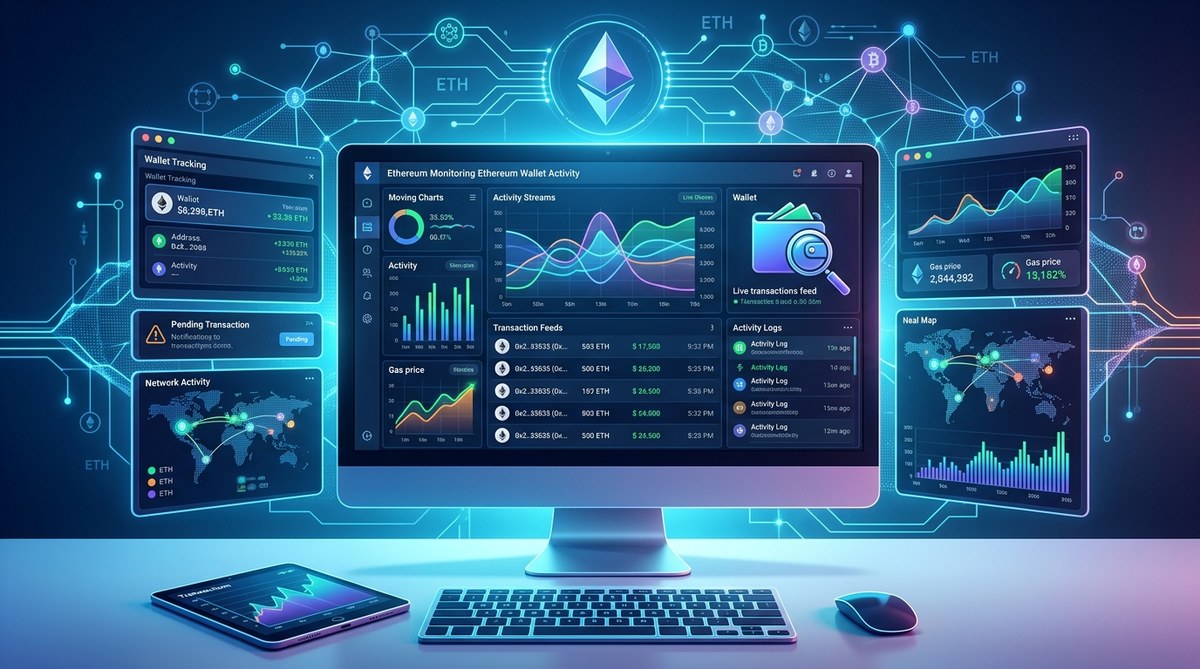
Monitoring Ethereum wallets in real time has become a vital practice for crypto enthusiasts, blockchain analysts, and developers. Whether you’re tracking whale movements, verifying transactions, or conducting security audits, having the right tools at your fingertips makes all the difference. With the continuous growth of the Ethereum ecosystem, the demand for reliable, real-time monitoring tools has surged. This guide introduces you to the best options available, how they work, and practical tips to maximize their potential.
Why Real-Time Ethereum Wallet Monitoring Matters
Keeping a close eye on Ethereum wallets in real time unlocks insights that static data simply cannot provide. It helps you identify large transactions that might influence market prices, detect suspicious activity, or understand the behavior of prominent holders. For developers, it offers the ability to verify smart contract interactions instantly. Blockchain researchers use these tools to analyze trends and gather data for reports.
Real-time monitoring arms you with immediate information, allowing faster decision making. It also enhances security by alerting you to unauthorized transactions or wallet breaches. As the Ethereum ecosystem becomes more complex, having a dependable monitoring setup becomes a necessity rather than a luxury.
Effective real-time Ethereum wallet monitoring tools enable instant transaction tracking, improve security, and support in-depth blockchain analysis. Choosing the right platform ensures you stay ahead in a fast-moving crypto world.
Top Tools for Monitoring Ethereum Wallet Activity Live
There are several tools designed to provide real-time updates on Ethereum wallets. These range from blockchain explorers to advanced analytics platforms. Here are some of the most trusted options for your research and security needs.
1. Etherscan: The Industry Standard for Wallet Tracking
Etherscan remains the most popular blockchain explorer for Ethereum. It offers real-time updates on transactions, wallet balances, and token movement. Its intuitive interface makes it easy to track any Ethereum address instantly.
- Features include transaction history, token transfers, smart contract interactions, and address labels.
- You can set up email alerts for specific addresses or transactions.
- It also provides APIs for developers to integrate live data into custom dashboards.
For anyone starting out, Etherscan’s transparency and comprehensive data make it a go-to tool for wallet monitoring.
2. Nansen: Advanced Blockchain Analytics and Wallet Labeling
Nansen elevates wallet monitoring by combining on-chain data with proprietary labels. It allows you to see in real time which wallets are involved in significant activity, whether they are whales, protocols, or traders.
- Offers real-time dashboards for wallet activity.
- Provides labels that categorize wallets based on behavior.
- Includes alert features for large transactions or wallet movements.
Nansen is especially useful for institutional investors and blockchain analysts who need detailed insights into wallet behavior.
3. Dune Analytics: Customizable Data Queries for Deep Insights
Dune Analytics is a flexible platform where you can craft custom SQL queries to monitor specific wallet activity. Its real-time dashboards are highly customizable, allowing tailored insights.
- Connects to live on-chain data.
- Enables creation of personalized dashboards.
- Supports alerting for specific wallet transactions or behaviors.
Developers and researchers appreciate Dune for its versatility and depth of analysis.
4. Arkham: Wallet Intelligence for Security and Forensics
Arkham offers real-time wallet activity monitoring with a focus on security and forensic analysis. It leverages AI to identify suspicious patterns and potential threats.
- Live transaction feeds.
- Behavioral analytics to detect anomalies.
- Cross-chain attribution features.
Arkham is ideal for security teams seeking proactive protection against malicious activity.
5. DeBank: Multi-Chain Portfolio and Wallet Tracker
DeBank supports Ethereum and other EVM-compatible chains. Its real-time updates help users monitor wallet balances, transactions, and DeFi positions across multiple chains.
- Instant transaction notifications.
- DeFi portfolio tracking.
- Wallet activity alerts.
This tool is perfect for users managing diverse assets and looking for comprehensive oversight.
How To Use These Tools Effectively
Getting started with real-time Ethereum wallet monitoring involves a few clear steps:
- Identify Your Monitoring Goals
Determine if you want to track specific wallets, monitor large transactions, or analyze overall market activity. This focus guides your choice of tools.
- Choose the Right Platform
Select a platform that aligns with your needs. For simple transaction checks, Etherscan suffices. For advanced analysis, Nansen or Dune offers more customization.
- Set Up Alerts and Notifications
Most tools allow you to configure alerts for specific addresses or transaction thresholds. Regularly review these settings to stay updated on critical activity.
- Integrate APIs for Automation
Developers can leverage APIs from platforms like Etherscan or Dune to automate monitoring within custom dashboards or trading bots.
- Stay Updated on Wallet Movements
Regularly check the dashboards and alerts. Pay attention to large transfers, unusual activity, or sudden wallet behavior shifts.
Practical Process for Monitoring Wallets
- Choose a monitoring tool suited for your goals.
- Enter the Ethereum address you want to track.
- Configure alerts for transactions above a certain size or specific activity types.
- Use the platform’s analytics features to understand the context of activity.
- Take action based on insights, whether that’s security checks or market analysis.
Common Monitoring Techniques and Pitfalls
| Technique | Description | Mistake to Avoid |
|---|---|---|
| Setting too many alerts | Can cause notification fatigue | Focus on key addresses or thresholds |
| Relying solely on one platform | May miss cross-chain activity | Use multiple tools for comprehensive view |
| Ignoring transaction context | Not all transactions are significant | Cross-reference with market data |
| Not updating alert thresholds | Market volatility varies | Adjust thresholds regularly |
Expert tip: Always verify wallet activity through multiple sources to avoid false alarms. Combining on-chain data with social signals and market trends provides a clearer picture.
Practical Tips for Better Wallet Monitoring
- Regularly update your watchlist of key wallets.
- Use alerts for large or suspicious transactions.
- Leverage APIs to automate routine checks.
- Combine data from multiple sources for accuracy.
- Stay informed about new tools and features in the space.
Wrapping Up Your Monitoring Strategy
Implementing real-time Ethereum wallet monitoring tools empowers you with immediate insights into blockchain activity. Whether for security, research, or trading, choosing the right platform and setting up effective alerts ensures you stay ahead of market movements and potential threats. Start small, refine your setup, and regularly adapt your monitoring approach to the evolving Ethereum landscape.
By maintaining an active watch on wallet activity, you’ll deepen your understanding of on-chain behavior and enhance your ability to make timely, informed decisions. The right tools, combined with consistent practice, can turn blockchain data into a powerful resource for your crypto journey.
Final thoughts
Monitoring Ethereum wallets in real time is a game changer. It transforms raw transaction data into actionable insights. With tools like Etherscan, Nansen, and Dune, you can tailor your approach to fit your goals. Whether it’s security, research, or market analysis, real-time tracking keeps you connected to the pulse of Ethereum. Take the time to set up your monitoring system today and stay informed in this fast-paced ecosystem.